ELEMENT A: Intentional and
Collaborative
School Culture
Principals
articulate, model and positively reinforce a clear vision and values of the
school’s culture, and involve students, families and staff in creating an
inclusive and welcoming climate that supports it.
|
As part of my weekly routine, each Friday I send out a schedule for the upcoming week with a short reflection. As I look back over the course of this school year, many of those reflections have been about the culture we are constantly striving to create and maintain. News and Notes_9.16.13 News and Notes_10.21.13 |
ELEMENT B: Commitment to the Whole
Child
Principals promote
the cognitive, physical, social and emotional health, growth and skill
development of every student.
|
I am proud to be a part of a school that encourages and promotes success in all realms of development. Our music, art, and physical education instruction is outstanding, and the staff fully supports these efforts. News and Notes_10.28.13 News and Notes_12.16.13 |
ELEMENT C: Equity Pedagogy
Principals
demonstrate a commitment to a diverse population of students by creating an
inclusive and positive school culture, and provide instruction in meeting the
needs of diverse students, talents, experiences and challenges in support of
student achievement.
|
ELL instruction has been a priority at MES for several years. With 50% of our students classified as English Language Learners, much of our focus is on instructional strategies that will help students learning English be successful in our school. ELL Training 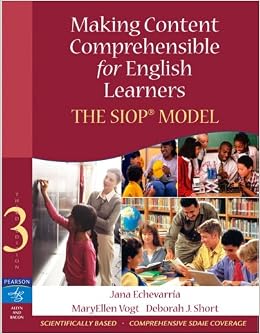 News and Notes_2.3.14 |
ELEMENT D: Efficacy, Empowerment, and
a Culture
of Continuous Improvement
Principals and
their leadership team foster a school culture that encourages continual
improvement through reliance on
research,
innovation, prudent risk-taking, high expectations for all students and
teachers, and a valid assessment of outcomes.
|
This year we completed the difficult process of choosing a new reading curriculum. It's a difficult task, primarily because, if teachers knew what to do differently to improve students' reading ability, they would already be doing it. The process involved many honest discussions about what's working well and what we could improve. In the end, we reached consensus, and the staff is excited to begin using this new program next year. News and Notes_11.18.13 News and Notes_12.9.13 |
Quality Standard III: Principals Demonstrate School Culture and Equity Leadership

Subscribe to:
Posts (Atom)